Portable Furniture vs Traditional Options Which Wins
As we move deeper into 2026, the way we furnish our living spaces continues to evolve. The debate between portable furniture and traditional options has gained traction as more individuals seek flexible and adaptive solutions for their homes. This article will explore the distinct advantages of portable furniture, how it compares to traditional furnishings, and what trends are emerging in design and functionality.
Understanding Portable Furniture
Portable furniture refers to items designed for easy movement and adaptability. This category includes foldable chairs, collapsible tables, and modular sofas that can be rearranged to fit different spaces. The rise of portable furniture aligns with the increasing number of people living in smaller homes or apartments, as well as the trend towards remote working. In 2026, many individuals prioritize space efficiency, making portable options particularly appealing.
Benefits of Portable Furniture
One of the most significant advantages of portable furniture is its versatility. For example, a compact dining table can be expanded when hosting guests and easily stored away when not in use. This flexibility allows homeowners to maximize their space without sacrificing functionality. Moreover, portable furniture often features lightweight materials, making it easier to rearrange and transport.
Another benefit is the variety of designs available. In 2026, designers are creating aesthetically pleasing portable pieces that do not compromise style for convenience. Consumers can find items that fit their personal tastes while still offering the practicality required for modern living.
Traditional Furniture Options
Traditional furniture encompasses pieces that are typically more substantial and fixed in place. Items such as solid wood dining tables and heavy sofas have long been favored for their durability and aesthetic appeal. In 2026, while these traditional options remain popular, homeowners are increasingly considering how these pieces fit into their lifestyles.
People Also Look For:
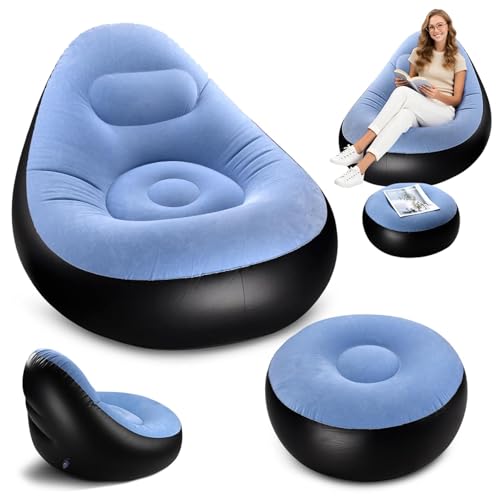
- Chillbo Shwaggins Inflatable Couch – Cool Inflatable Lounger. Upgrade Your Camping Accessories. Easy Setup Inflatable Chair is P...
- eBoutik - Deluxe Inflatable Lounge Chair & Footstool - Indoor & Outdoor Lounger - Ideal for Garden, Home, Gaming & Relaxation (Nav...
- Fiacvrs Inflatable Lounge Chair for Adults, Portable Folding Inflatable Blow Up Couch with Foot Stool, Lazy Flocking Recliner Chai...
- LONEEDY Inflatable Chair Sofa, Blow up Seat Gaming Lounger, Indoor Outdoor Camping Garden Stylish Soft Plush Fabric for Adults Kid...
- Intex - Lounge chair inflatable grey/black
Pros and Cons of Traditional Furniture
One of the primary advantages of traditional furniture is its durability. High-quality materials can last decades, making these investments worthwhile for many families. However, this longevity comes with a trade-off; traditional pieces often lack the flexibility that portable furniture provides. For instance, a large sectional sofa may offer comfort but can be cumbersome to move when rearranging a room or relocating.
Furthermore, traditional furniture can be more expensive due to the craftsmanship involved in creating these durable pieces. As budgets tighten in 2026, consumers are carefully weighing the long-term benefits of investing in solid furniture versus opting for more affordable portable alternatives.
Portable vs Traditional: Which is Right for You?
Deciding between portable and traditional furniture ultimately depends on individual lifestyle needs. For those who frequently relocate or entertain guests, portable furniture offers the flexibility needed to adapt to changing circumstances. In contrast, individuals or families looking to establish a permanent home may prefer the stability and classic appeal of traditional options.
To assist in making this decision, consider the following questions:
- How often do you rearrange your living space?
- Do you entertain large groups regularly?
- What is your budget for furniture purchases?
- How important is durability versus adaptability for your lifestyle?
By answering these questions, consumers can gain insight into which furniture style aligns best with their needs. For example, a young professional who moves every few years may find portable options more suitable, while a family planning to settle in one home might lean towards traditional furniture.
Emerging Trends in 2026
As we look at the furniture landscape in 2026, several trends highlight the growing popularity of portable furniture. One notable trend is the integration of technology into portable designs. Smart furniture that includes charging stations or built-in speakers is becoming increasingly common, appealing to tech-savvy consumers. Additionally, sustainability is a key focus, with many manufacturers creating portable furniture from eco-friendly materials.
Another trend is the rise of multifunctional furniture. Items that serve multiple purposes, such as a sofa that converts into a bed or a coffee table that doubles as a storage unit, are gaining traction. This approach allows individuals to maximize space without compromising style or functionality.
Making the Right Choice
Choosing between portable and traditional furniture necessitates a careful evaluation of personal preferences and living circumstances. As more people embrace flexible living arrangements, portable furniture is likely to see continued growth in popularity. However, traditional options will always have a place in homes that value timeless design and durability.
In 2026, consumers must remain informed about the latest trends and innovations in furniture design. Understanding the advantages of each option and how they align with modern lifestyles will ultimately lead to more satisfying home environments. Whether one opts for portable solutions or traditional pieces, the goal should be to create spaces that reflect personal style and accommodate evolving needs.